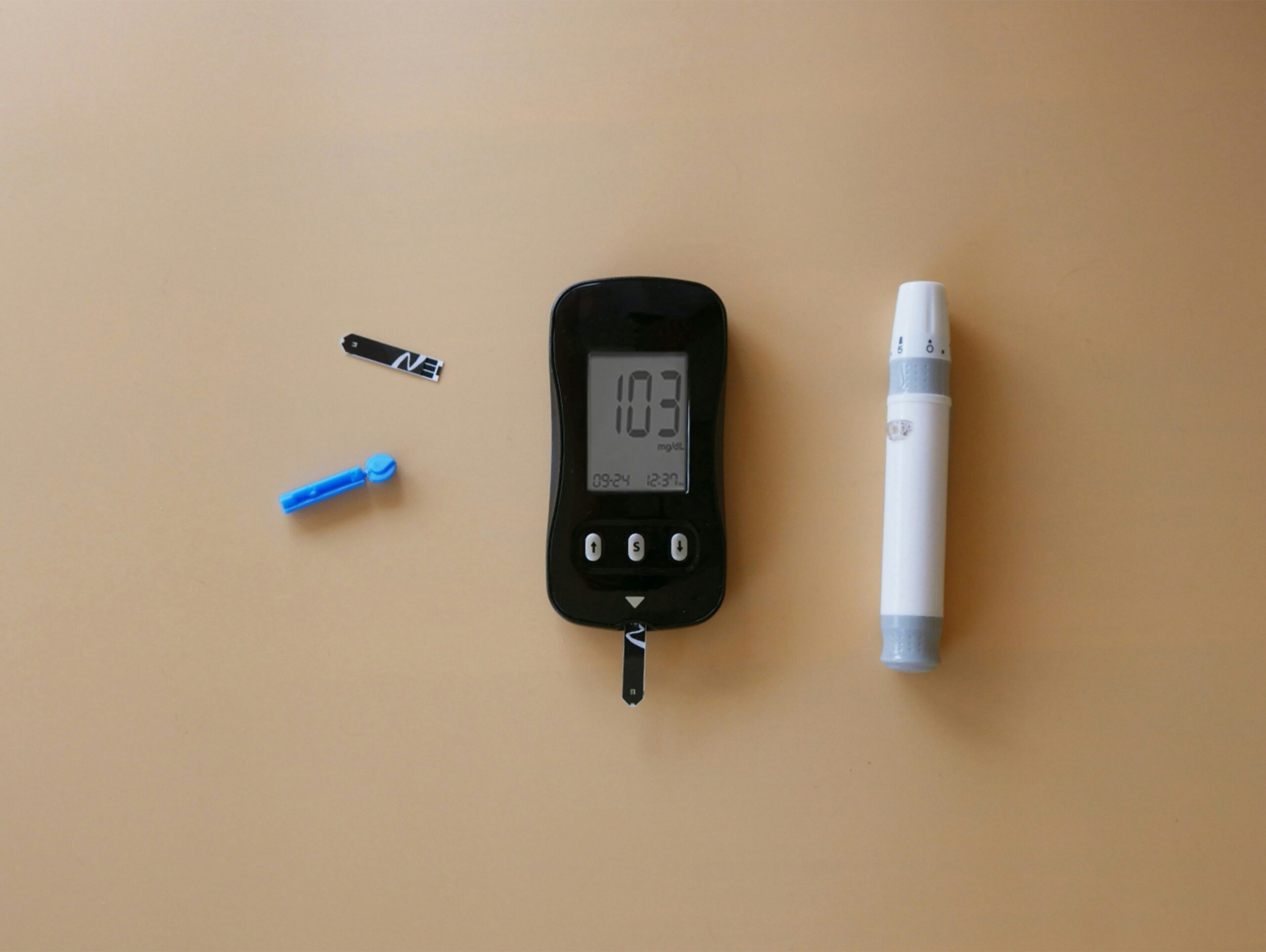
From Wearables to Health Predictors: The 2026 Tech Stack
The hardware and software enabling this revolution have achieved a level of integration and clinical validity once thought impossible. The modern QS toolkit is comprehensive and user-centric.

Advanced Wearables and Implantables
The smartwatch of 2026 is a diagnostic powerhouse. Beyond heart rate and ECG, continuous non-invasive blood glucose monitoring (CGM) for non-diabetics is now commonplace, providing insights into metabolic health and insulin response. Newer devices track blood pressure, core body temperature, and even hydration levels through advanced optical sensors. For deeper insights, discreet, FDA-cleared implantables like the Eversense CGM or next-generation BioSticker patches provide hospital-grade, continuous data streams for months at a time, transmitting seamlessly to a patient’s smartphone. This shift from episodic data to continuous physiological narratives is fundamental.
At-Home Diagnostic and Biomarker Testing
The lab has come home. Services like Everlywell, LetsGetChecked, and Function Health have expanded their panels dramatically. Consumers can now order comprehensive, physician-reviewed blood, saliva, and gut microbiome tests that measure everything from advanced lipid profiles and inflammatory markers (like ApoB and LP-PLA2) to hormone levels and genetic predispositions. The key innovation is in the longitudinal analysis: platforms compare your results over time, highlighting trends and deviations long before they manifest as symptoms, allowing for dietary, lifestyle, or pharmaceutical adjustments in collaboration with a personal concierge medicine service or your primary care physician.
The AI Health Dashboard: Your Personal Chief Medical Officer
Raw data is overwhelming. The true value is unlocked by the AI layer. Unified platforms like Apple Health, Google Fit, and specialized apps such as Whoop and Levels now act as intelligent synthesizers. They cross-reference your wearable data, lab results, sleep patterns, and nutrition logs (often synced from apps like MyFitnessPal or Cronometer) to generate actionable hypotheses. “Your elevated post-prandial glucose spikes correlate with low sleep quality scores,” it might suggest, or “Your HRV recovery after strength training is optimal, suggesting you can safely increase load.” This creates a feedback loop for personalized experimentation.
The Direct Link to Medical Cost Reduction
How does this granular self-knowledge translate into lower medical bills and systemic savings? The mechanism operates on three levels: prevention, precision, and participation.
Prevention and Early Intervention
Chronic diseases like Type 2 diabetes, hypertension, and heart disease account for the lion’s share of U.S. healthcare expenditure. The QS model attacks the root. By identifying pre-diabetic glucose trends years before diagnosis, an individual can implement dietary changes. By spotting creeping hypertension, they can adjust sodium intake and stress management. This moves the intervention from the expensive, acute-care hospital setting (managing a heart attack) to the low-cost, daily lifestyle setting (managing cholesterol). For employers and self-insured health plan administrators, this represents a massive reduction in claims.
Precision in Medical Consultation
Walking into a doctor’s office with a year’s worth of curated data transforms the 15-minute appointment. Instead of relying on vague patient recall (“I’ve been tired lately”), a physician can review graphs showing sleep architecture degradation coinciding with a rise in resting heart rate. This leads to faster, more accurate diagnoses and avoids unnecessary, costly referral loops and exploratory tests. It enables a more efficient use of specialist co-pays and diagnostic imaging resources.
Enhanced Medication and Treatment Adherence
For those with existing conditions, QS tools provide direct feedback on treatment efficacy. A patient on a new blood pressure medication can see its real-world impact daily, not just at quarterly check-ups. This visual proof improves adherence. Furthermore, data can reveal adverse reactions early, preventing hospitalizations. Digital therapeutics platforms, often prescribed by doctors and integrated with wearables, provide guided behavioral therapy for conditions like insomnia or anxiety, offering a lower-cost, high-efficacy alternative to traditional methods.
Navigating the New Landscape: Privacy, Equity, and Best Practices
This data-rich future is not without its perils and complexities. Informed navigation is crucial.
The Paramount Concern: Data Privacy and Ownership
Your health data is among the most sensitive information you possess. In 2026, the conversation has shifted from blanket sharing to granular control. Key questions to ask any platform: Is my data de-identified and aggregated for research? Can it be sold to health insurance providers or pharmaceutical data brokers? Reputable services now offer clear, blockchain-verified audit trails of data access. Utilizing encrypted local storage options and understanding the terms of HIPAA-compliant digital health platforms is non-negotiable for the savvy user.
Avoiding Analysis Paralysis and Cyberchondria
More data can lead to more anxiety. The goal is insight, not obsession. Best practices include setting a regular, limited review schedule (e.g., a weekly dashboard check), focusing on trends over single data points, and using the information to ask better questions of professionals, not to self-diagnose. The most effective users partner their data with a preventive health concierge or a data-literate primary care physician who can provide clinical context.
The Equity Question: Beyond the Early Adopters
The risk of a “health data divide” is real. While costs have fallen, advanced wearables and testing are still out of reach for many. The systemic cost-saving potential of QS will only be fully realized if employers, insurers, and public health programs innovate in subsidizing access. Some forward-thinking Medicare Advantage plans now offer subsidized wearables as a benefit, recognizing the long-term savings in managing chronic cohort health.
The Future Is Proactive: Integrating QS into the Mainstream System
As we look ahead, the line between personal health tracking and formal medical care will continue to blur. We are moving toward a model of “continuous care,” where health is managed in real-time through a combination of personal technology and periodic professional oversight. Insurance premiums may one day be dynamically adjusted based on verified, positive health behaviors tracked through accredited devices—a controversial but plausible incentive model. The role of the physician will evolve from omniscient diagnostician to collaborative interpreter and coach.
Photo Credits
Photo by isens usa on Unsplash

Leave a Reply